

There are nights when I’m perfectly happy to cook dinner. It’s everything that comes after dinner that I object to.
The pan. The pot I apparently needed for one tiny thing. The cutting board. The mysterious bowl that somehow got involved. By the time the kitchen is clean, the relaxing part of the evening has been significantly shortened.
This is dinner for those nights.
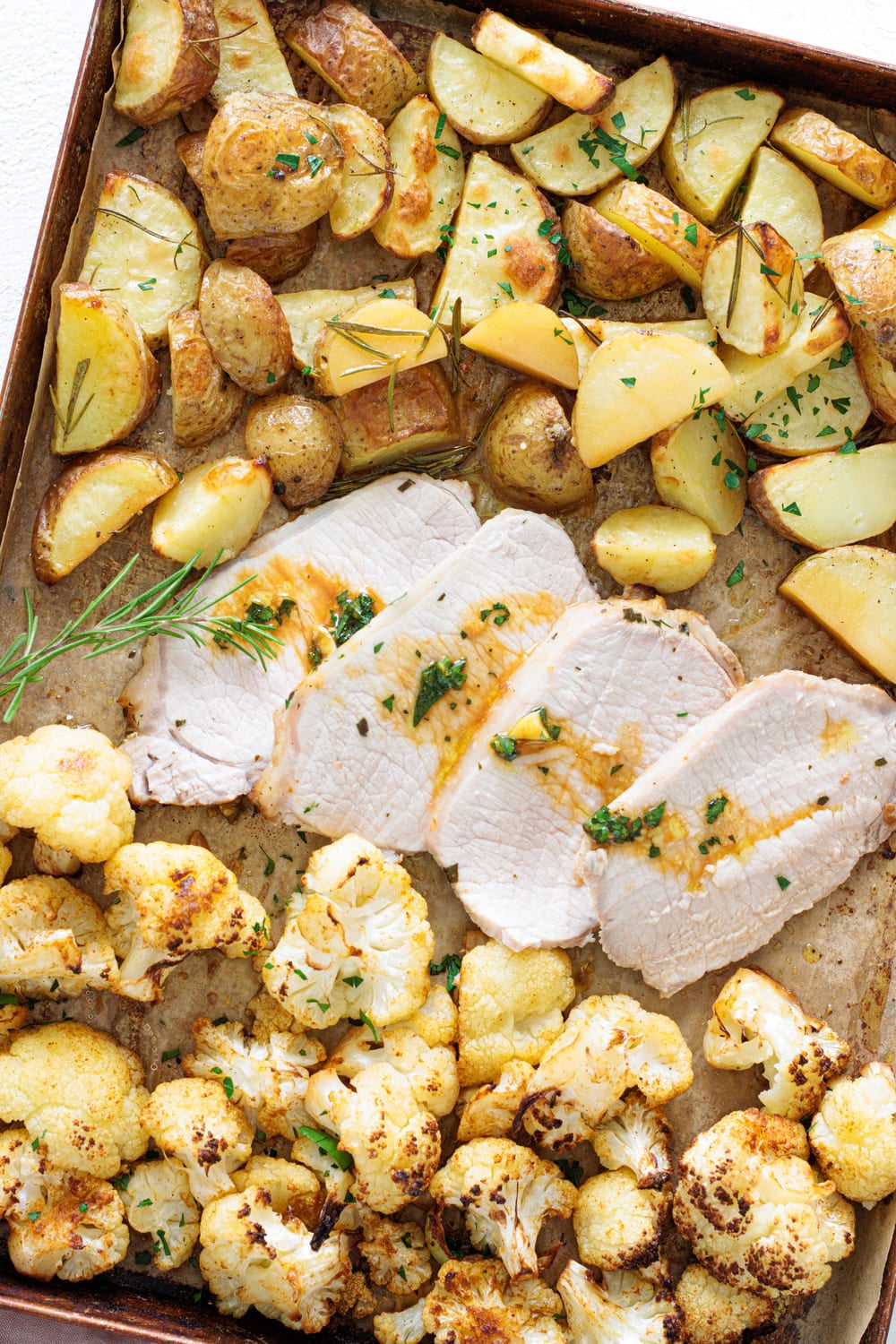
The pork, potatoes and cauliflower all end up on the same tray. About half an hour later, the pork is juicy, the potatoes have those lovely golden edges, the cauliflower has picked up all the smoky bits around the tray, and there is exactly one pan waiting for you afterwards.
That last part counts for a lot.
Ingredients for My Marinated Pork Tenderloin Sheet Pan Dinner
The pork is already marinated, so most of what goes onto the tray is there to take care of the vegetables.
Here’s what you’ll need:
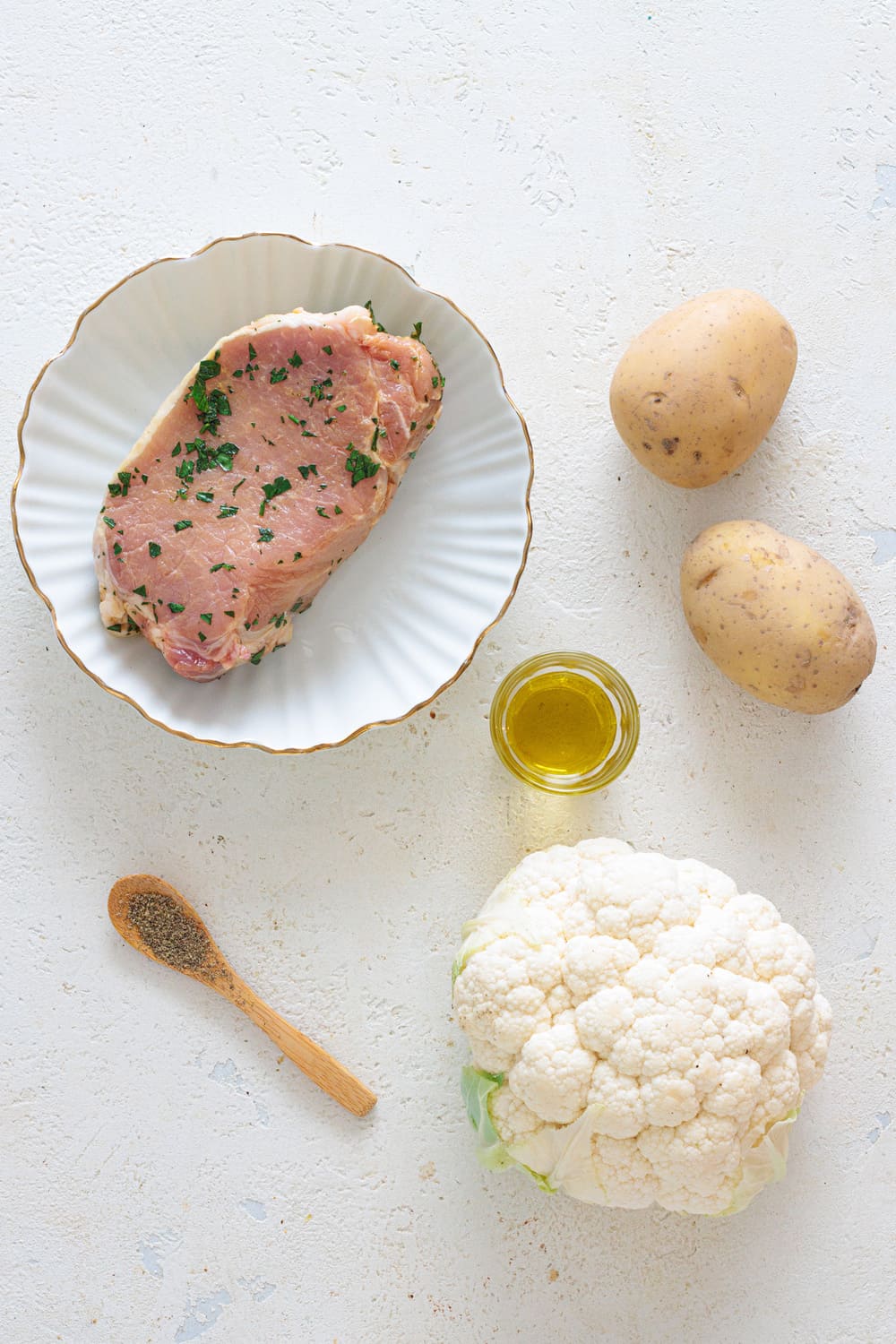
- 14 oz (400 g) pork tenderloin. I marinate mine using my The Best Pork Tenderloin Marinade recipe before making this sheet pan dinner.
- 1 lb (450 g) potatoes, cut into evenly sized chunks
- 1 lb (450 g) cauliflower, cut into florets
- 2-3 tablespoons extra virgin olive oil, divided
- 1 teaspoon smoked paprika
- A few sprigs fresh rosemary
- Salt, to taste
- Fresh parsley, chopped, for serving
Serves about 3-4, depending on appetites and whether anything else is joining it at the table.
How To Make It
I preheat the oven to 400°F (200°C) and line a large sheet pan with parchment paper. I start with the potatoes because they need more roasting time than the cauliflower.
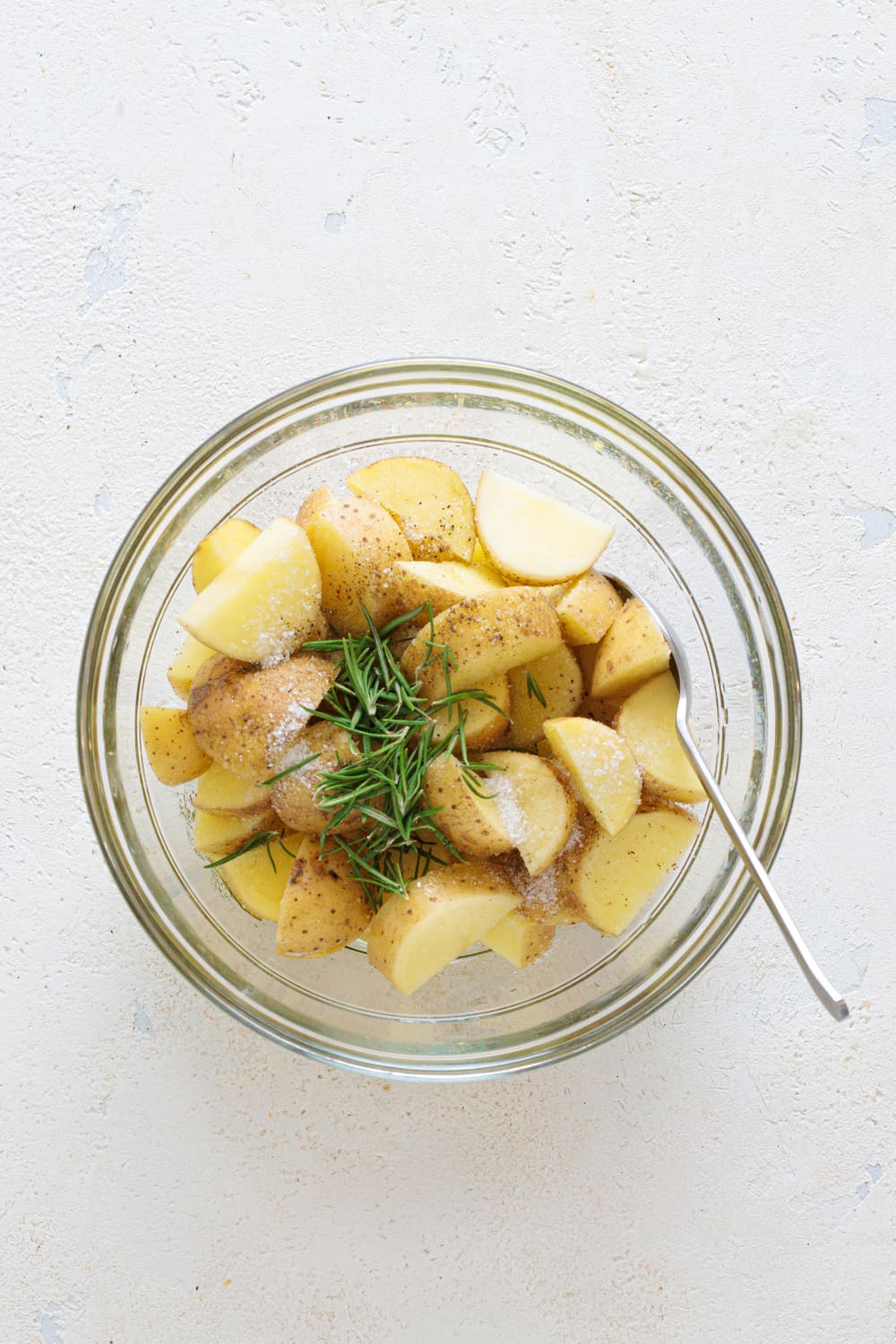
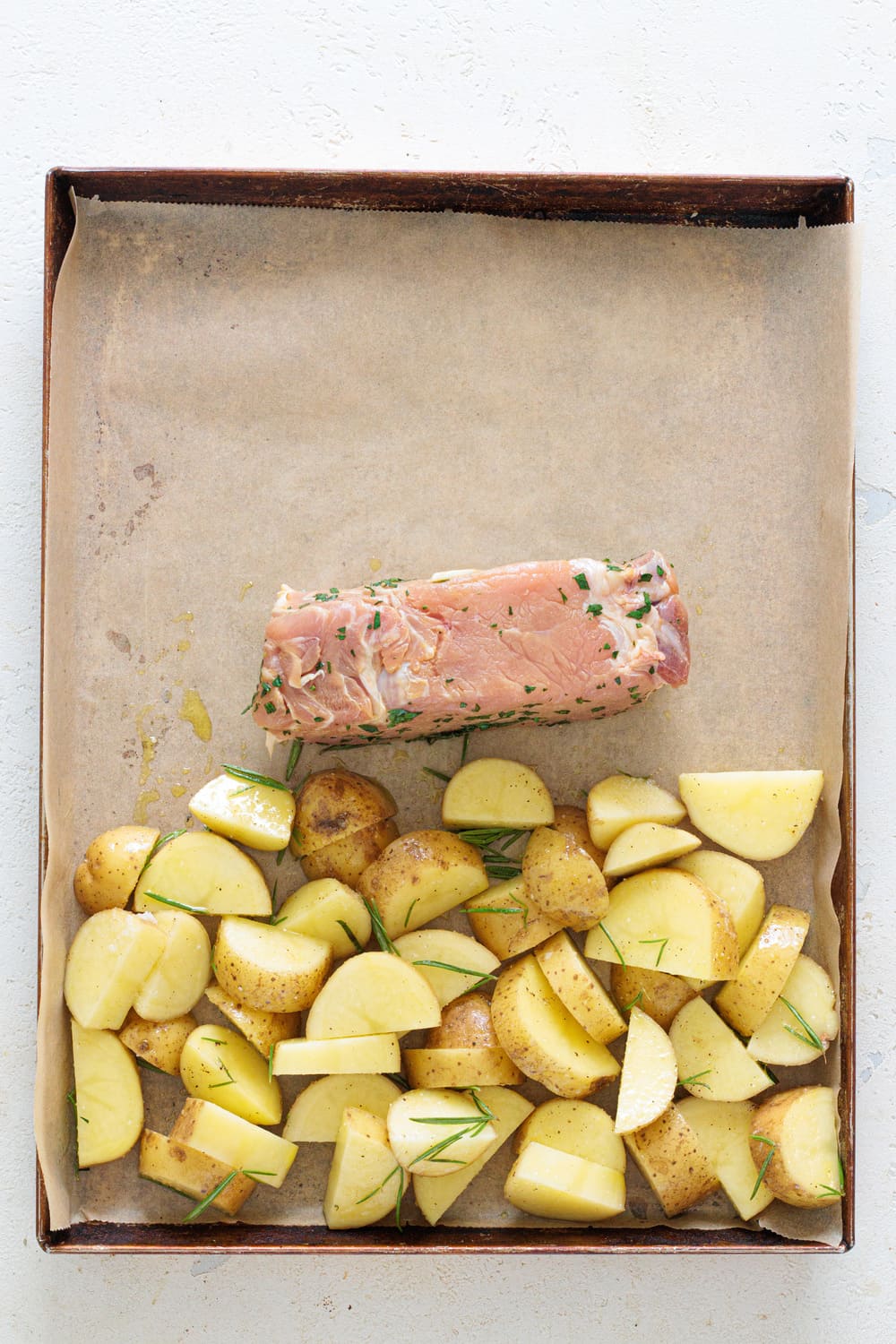
I cut the potatoes into roughly ¾- to 1-inch chunks and add them to a large bowl with the olive oil, salt and rosemary. I toss everything together until the potatoes are nicely coated, then spread them out on a parchment-lined sheet pan.
Give them some room if you can. Potatoes piled on top of each other tend to steam when what we really want is those browned, slightly crisp edges.
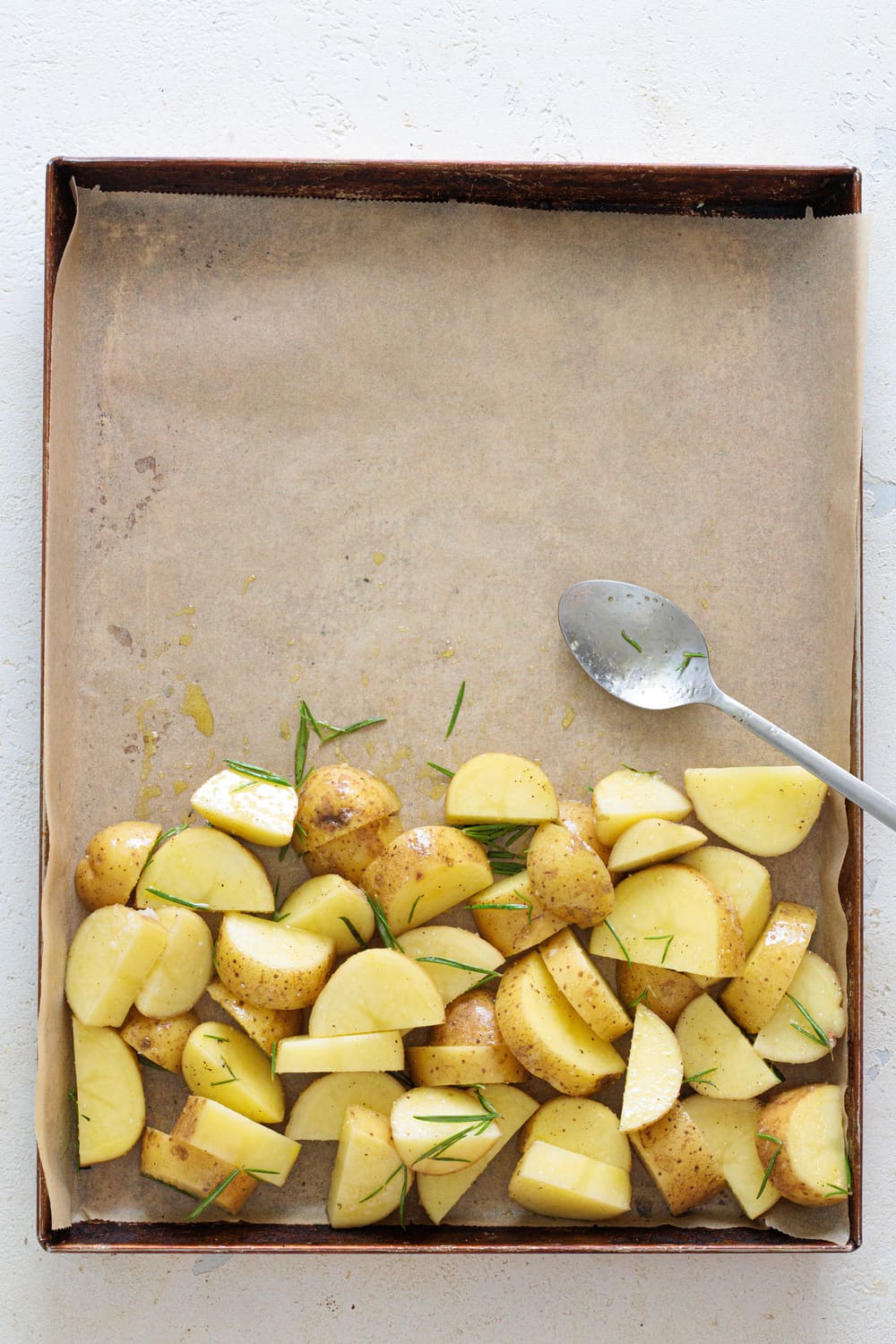
Then I pat the marinated pork tenderloin dry and make a space for it in the middle of the tray.
I roast the pork and potatoes in the preheated oven for 10 minutes.
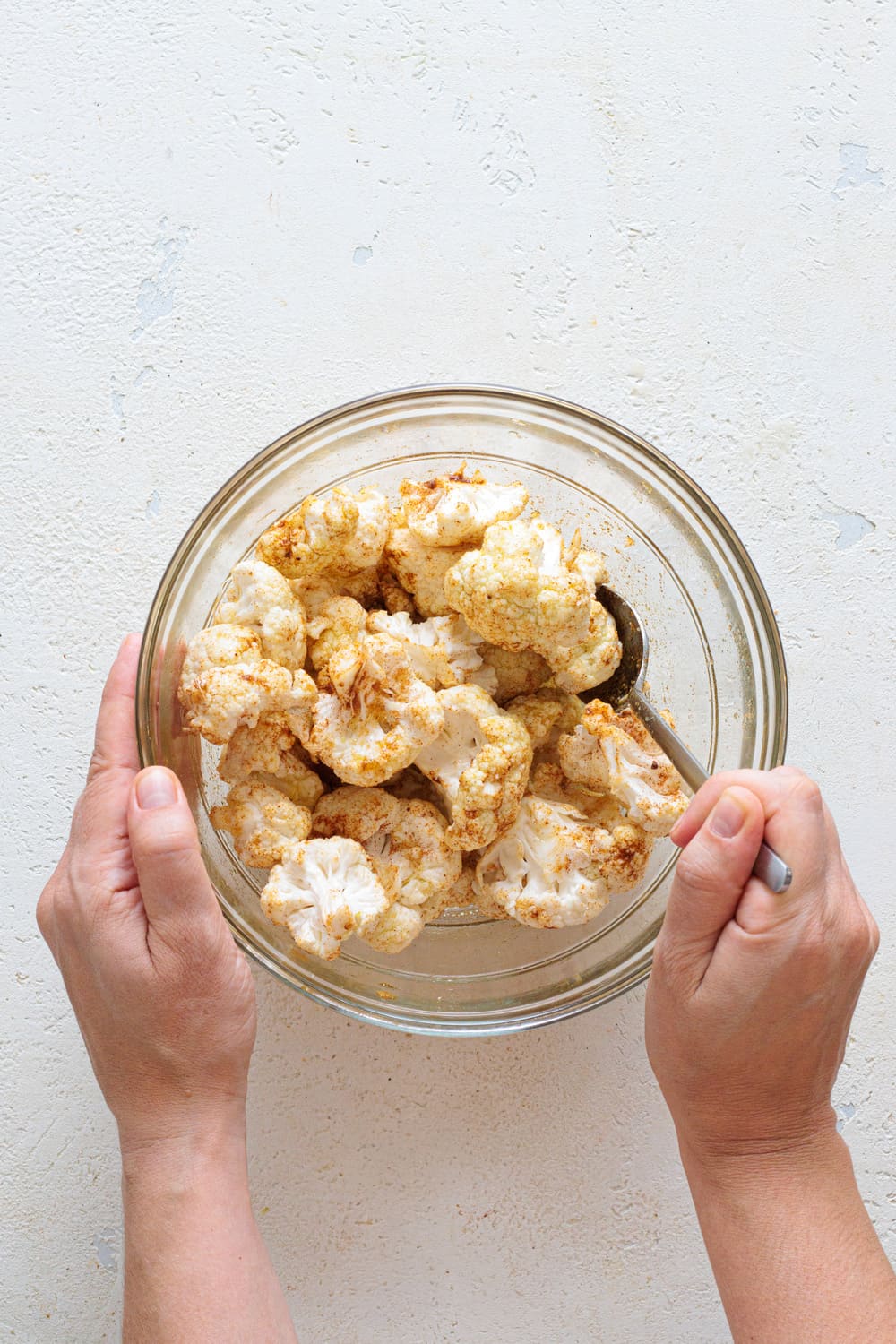
That’s when the cauliflower gets invited. I toss the cauliflower florets with a little olive oil, salt, and smoked paprika until they’re evenly coated.
I pull the tray out, give the potatoes a turn and add the cauliflower around the pork. Then I return the sheet pan to the oven for another 15-20 minutes, checking the pork’s internal temperature after the first 10 minutes.
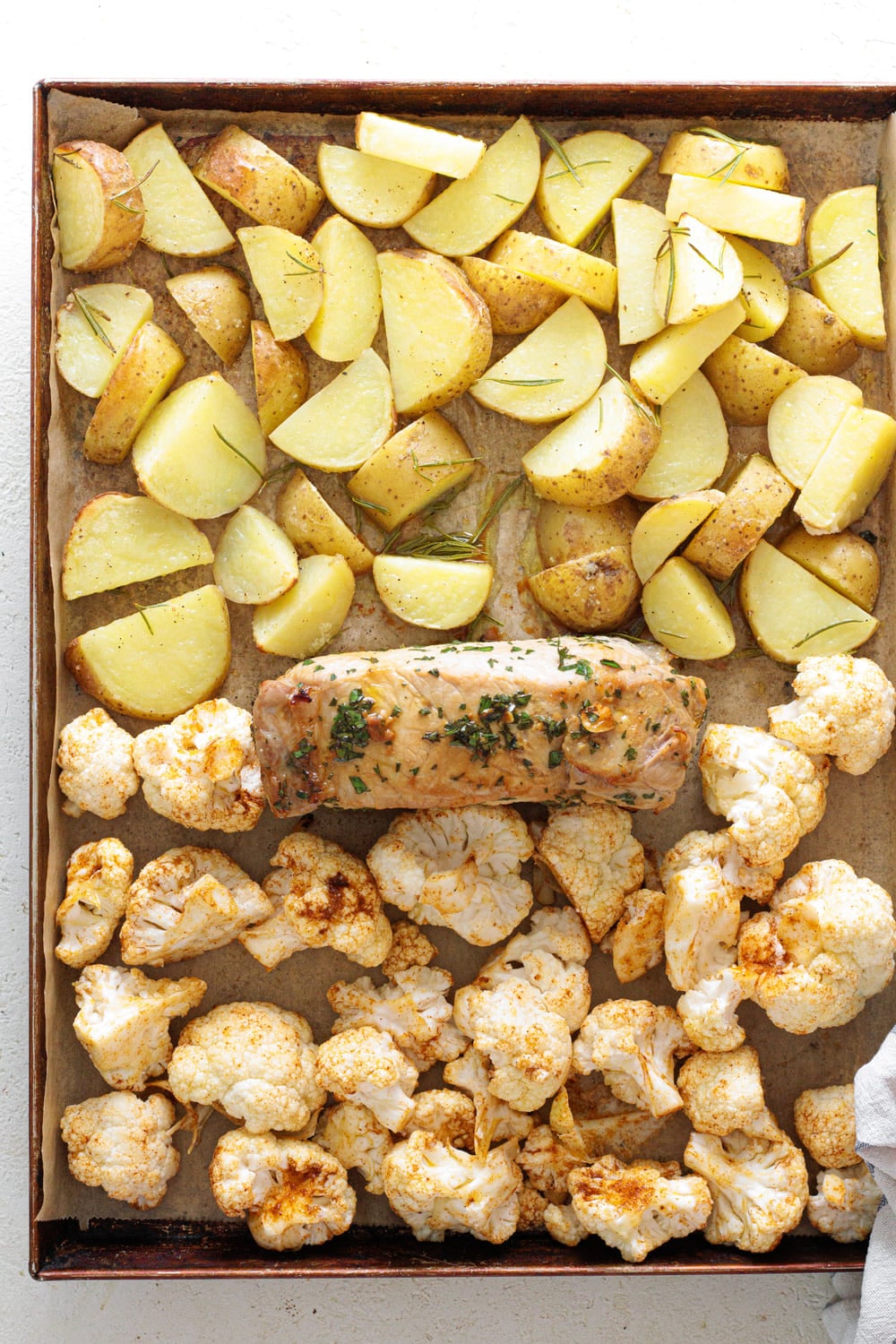
From here, I pay more attention to the pork than the clock. Tenderloins aren’t all exactly the same size, and I’d much rather use a thermometer than sacrifice a perfectly good piece of pork in the name of an arbitrary 30-minute cooking time.
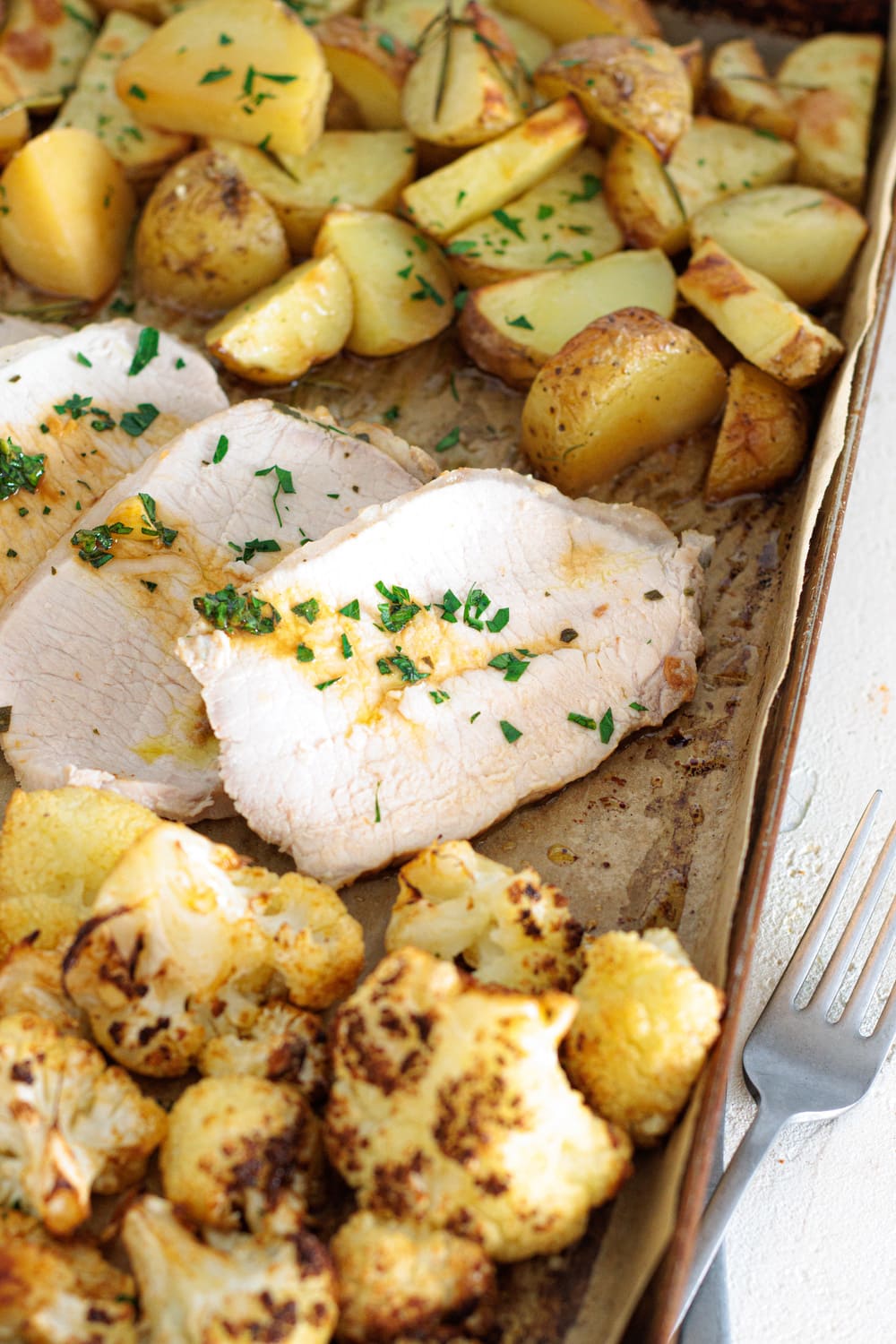
Once the thickest part of the pork reaches 145°F (63°C), I transfer it to a cutting board and let it rest for at least 3 minutes before slicing. If the potatoes or cauliflower need more time, I leave them in the oven until the potatoes are fork-tender and the vegetables are nicely browned.
A handful of parsley over everything at the end and dinner is done.
Make It Your Own
The vegetables are easy to switch up, and you can even use a different protein instead of pork.
If chicken is what you have, use that instead. My Easy Chicken Marinade is a great starting point. Since chicken cooks differently from pork, adjust when you add it to the sheet pan depending on the cut and thickness. Make sure the thickest part reaches 165°F (74°C) before serving.
No cauliflower? Broccoli is the obvious swap. Brussels sprouts are great with the smoked paprika too, and carrots or sweet potatoes work beautifully with the rosemary if you give them enough time to roast.
Basically, keep the idea and change the tray.
Leftovers Are Very Good News
Keep leftover pork and vegetables in an airtight container in the refrigerator for 3–4 days.
You can reheat everything together, although I prefer slicing the pork first and reheating it gently to an internal temperature of 165°F (74°C) to help keep it from drying out.
Or don’t recreate the same dinner at all. Thinly sliced leftover pork is very good tucked into a sandwich, added to a grain bowl, or served cold with a crunchy salad the next day.
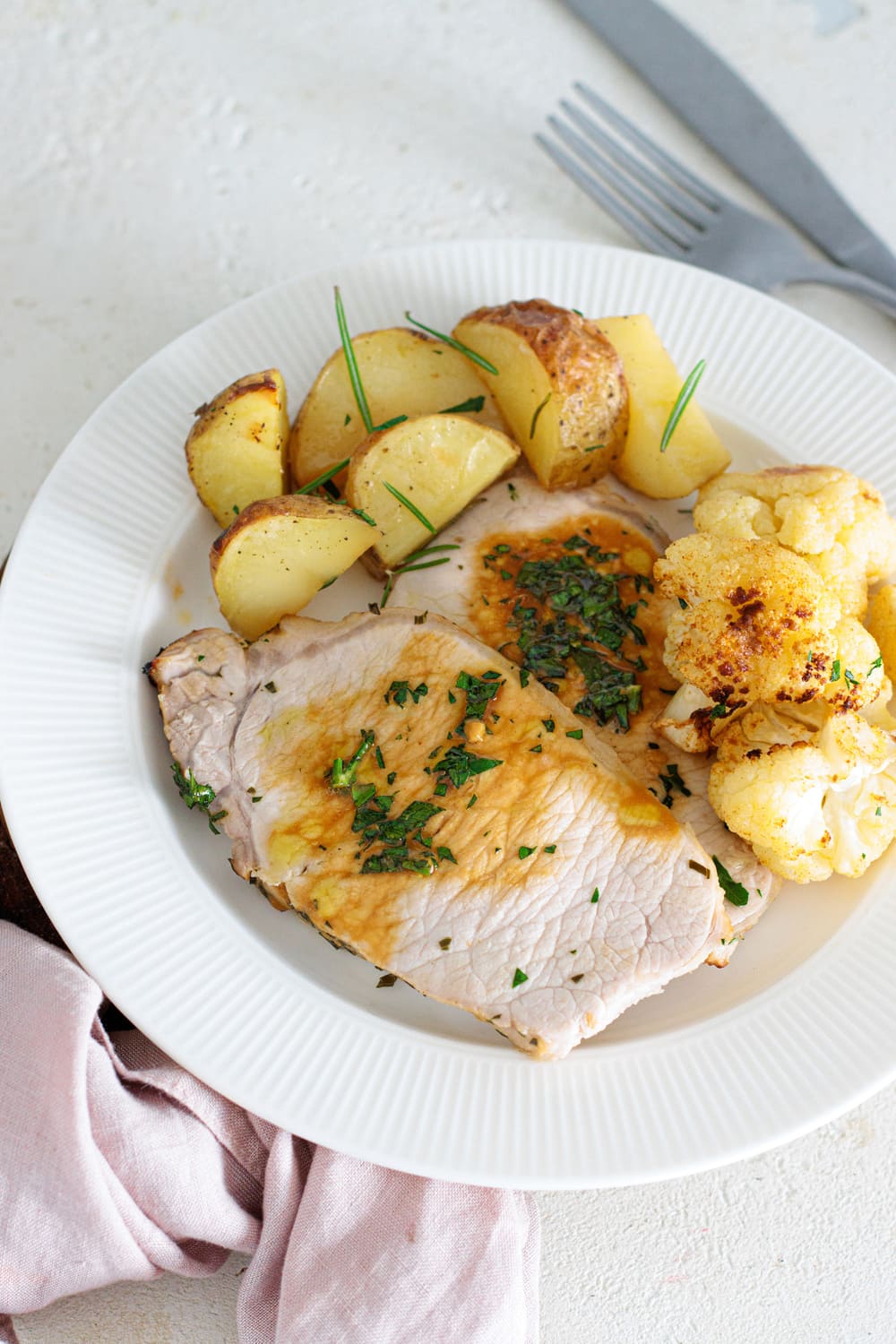
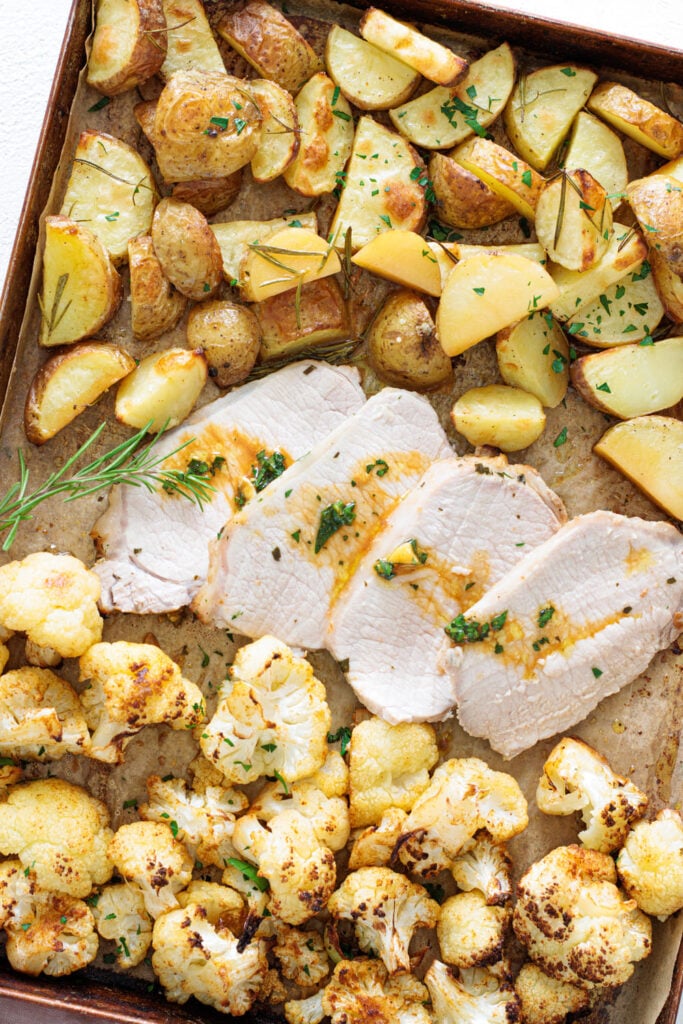

Marinated Pork Tenderloin Sheet Pan Dinner
Description
Juicy marinated pork tenderloin roasted on one sheet pan with rosemary potatoes and smoky paprika cauliflower. An easy complete dinner with very little cleanup.
Ingredients
Instructions
-
Preheat the oven
Preheat the oven to 400°F (200°C).
-
Season the potatoes
Cut the potatoes into ¾- to 1-inch chunks. Toss them in a bowl with 1-2 tablespoons olive oil, salt, and rosemary. Spread them in an even layer on a parchment-lined sheet pan.
-
Add the pork
Pat the marinated pork tenderloin dry with paper towels and place it in the center of the sheet pan.
-
Start roasting
Roast for 10 minutes.
-
Add the cauliflower
Toss the cauliflower florets in a bowl with the remaining 1 tablespoon olive oil, salt, and smoked paprika. Turn the potatoes, then spread the cauliflower around the pork.
-
Finish roasting
Return the sheet pan to the oven and roast for another 15-20 minutes, checking the pork's internal temperature after the first 10 minutes. Once the thickest part reaches 145°F (63°C), remove the pork, even if the vegetables need more time.
-
Let the pork rest
Transfer the pork to a cutting board and let it rest for 5-10 minutes before slicing. If the vegetables need more time, return them to the oven until tender and lightly browned.
-
Slice and serve
Serve the pork with the roasted vegetables and chopped parsley.
Nutrition Facts
Servings 4
- Amount Per Serving
- Calories 385kcal
- % Daily Value *
- Total Fat 15g24%
- Saturated Fat 3g15%
- Cholesterol 65mg22%
- Sodium 420mg18%
- Potassium 1150mg33%
- Total Carbohydrate 33g11%
- Dietary Fiber 6g24%
- Sugars 4g
- Protein 31g62%
- Calcium 55 mg
- Iron 3 mg
* Percent Daily Values are based on a 2,000 calorie diet. Your daily value may be higher or lower depending on your calorie needs.