

I still don’t fully understand how this turns into cake.
Every time I make it, the batter looks far too simple to lead anywhere interesting. Eggs, yogurt, and flour are mixed together in about five minutes with very little ceremony involved.
Then half an hour later, somehow, there’s an actual cake sitting on the counter!
Not a “healthy alternative” version of cake. Not a sad fridge-dessert situation pretending to be cake. A real one.

The texture lands somewhere between a sponge cake and a baked cheesecake, especially once it cools. (Speaking of cheesecake, have you ever tried Jorge’s 3-Ingredient Keto Cheesecake?). Soft, light, slightly creamy in the middle, with just enough sweetness to make it work equally well as breakfast, dessert, or something eaten standing in the kitchen with coffee at 4 pm for no particular reason.
Honestly, the hardest part of this cake is convincing people there isn’t more in it.
Ingredients for My 3-Ingredient Greek Yogurt Cake
Three main ingredients, one bowl, no butter melting, no complicated steps, no mixer required unless you feel like it, no waiting for anything to come to room temperature while you reconsider your life choices halfway through baking.
This recipe is living proof that a few basic ingredients can do much more than people expect.
This is what you’ll need (And yes, technically there are more than three ingredients listed below, but the sugar and vanilla are optional. The actual cake still works perfectly with just the main three.):
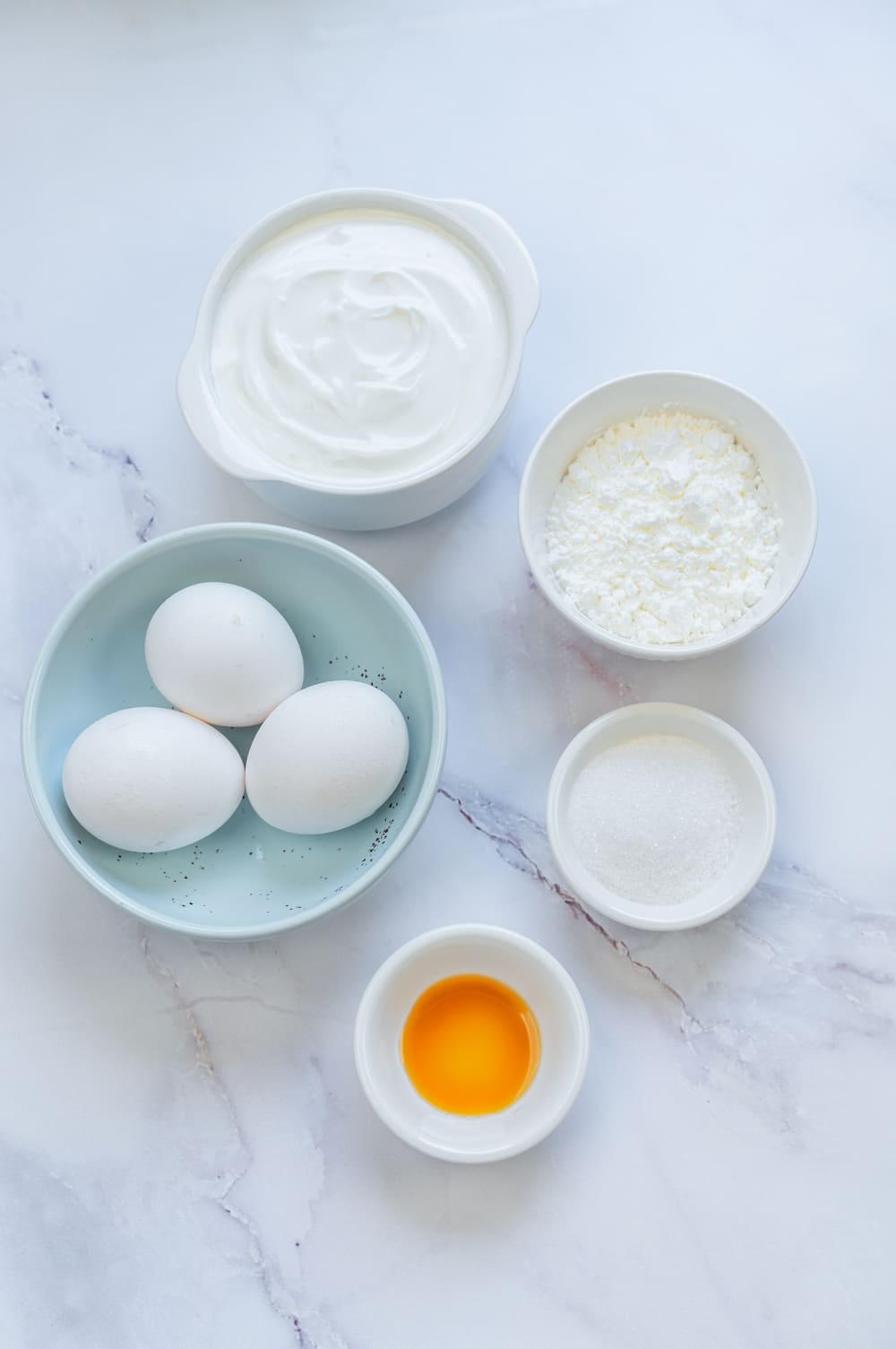
Basic
- 3 eggs – The base of the whole cake.
- ⅓ cup flour (40 g) – Just enough to give the cake structure while keeping it light.
- 1 cup Greek yogurt (250 g) – Thick Greek yogurt works best here.
Optional
- 2 tbsp sugar – If you want it slightly sweeter.
- 1 tsp vanilla sugar or vanilla extract – Gives the cake a softer, warmer flavor.
This makes 1 small cake, enough for about 6 slices unless somebody starts “just trying a little piece” before it’s fully cooled.
How To Make It
This is one of those recipes where the batter comes together suspiciously fast.
But first, let’s preheat the oven to 350°F (180°C).
Whisk the eggs, sugar, and vanilla, if using, until lightly foamy. Mix in the Greek yogurt, then sift in the flour gradually and mix until smooth
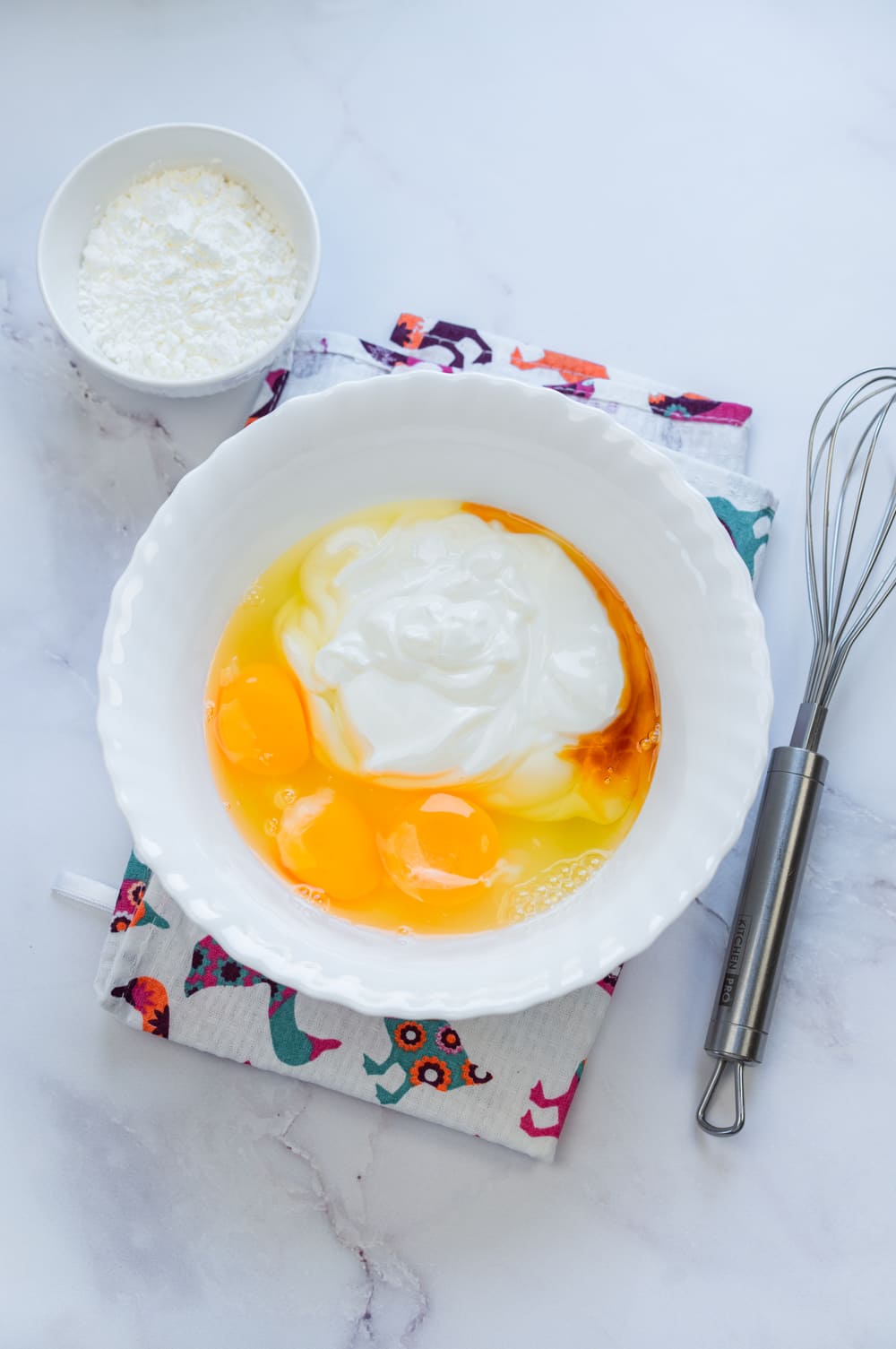
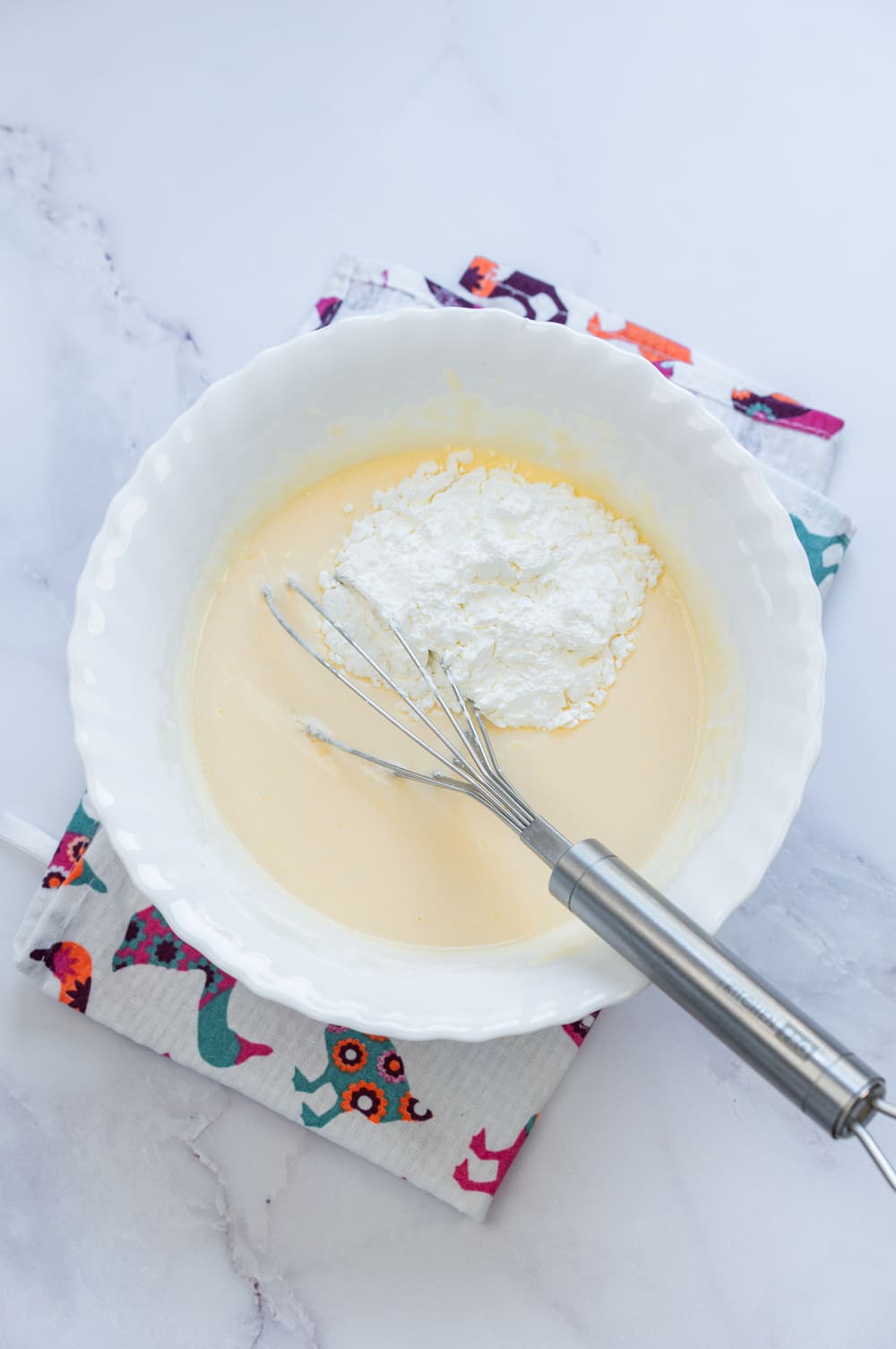
That’s basically it.
The batter looks almost too simple to become cake at first, which honestly feels slightly concerning every single time.
Then it bakes for about 30 to 35 minutes.
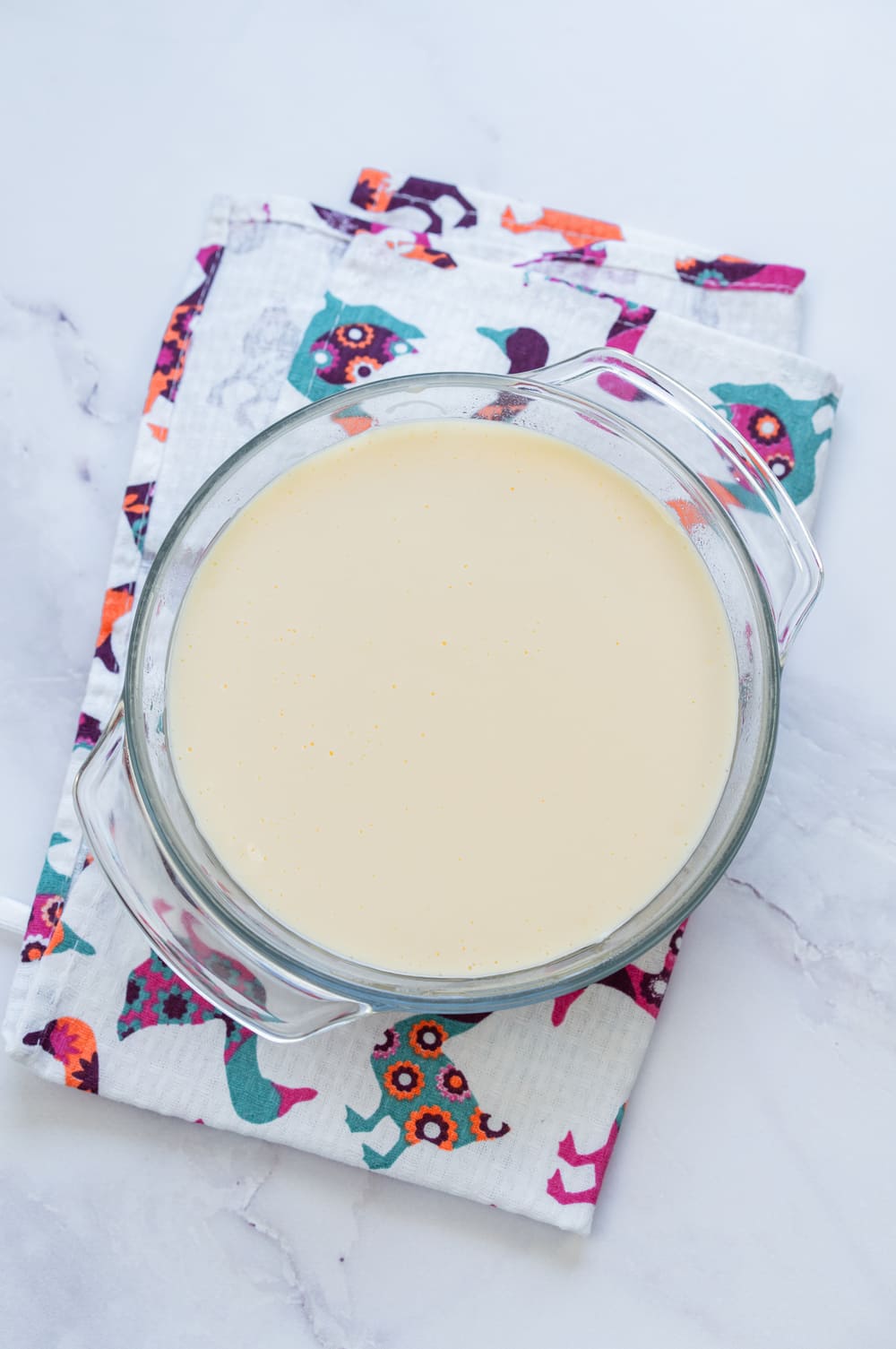
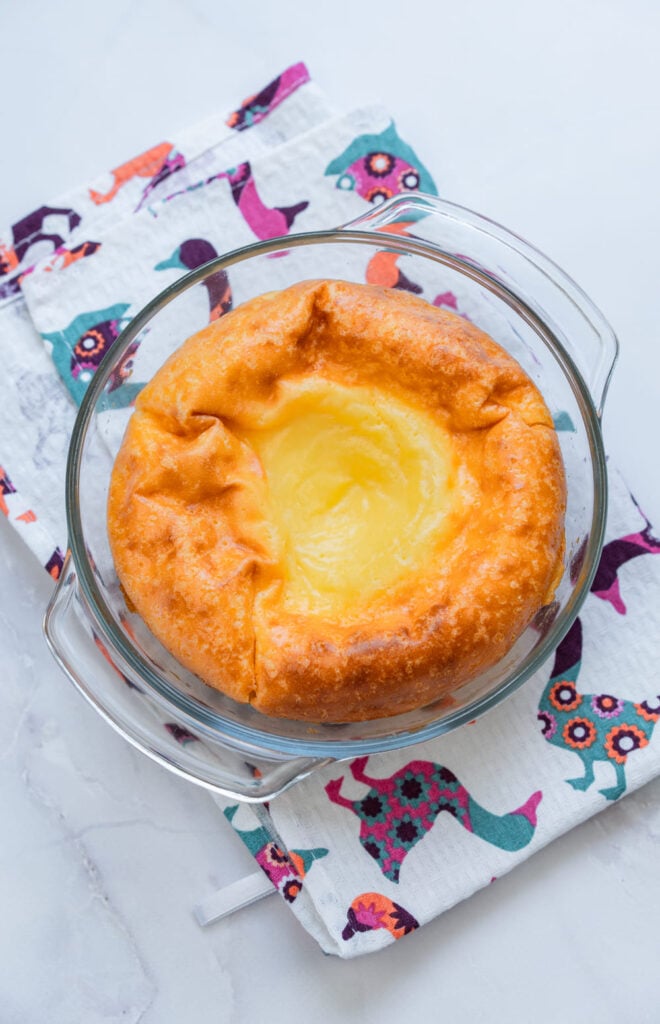
The top turns golden slowly, the middle settles, and somewhere around the last few minutes the kitchen starts smelling like a proper homemade cake.
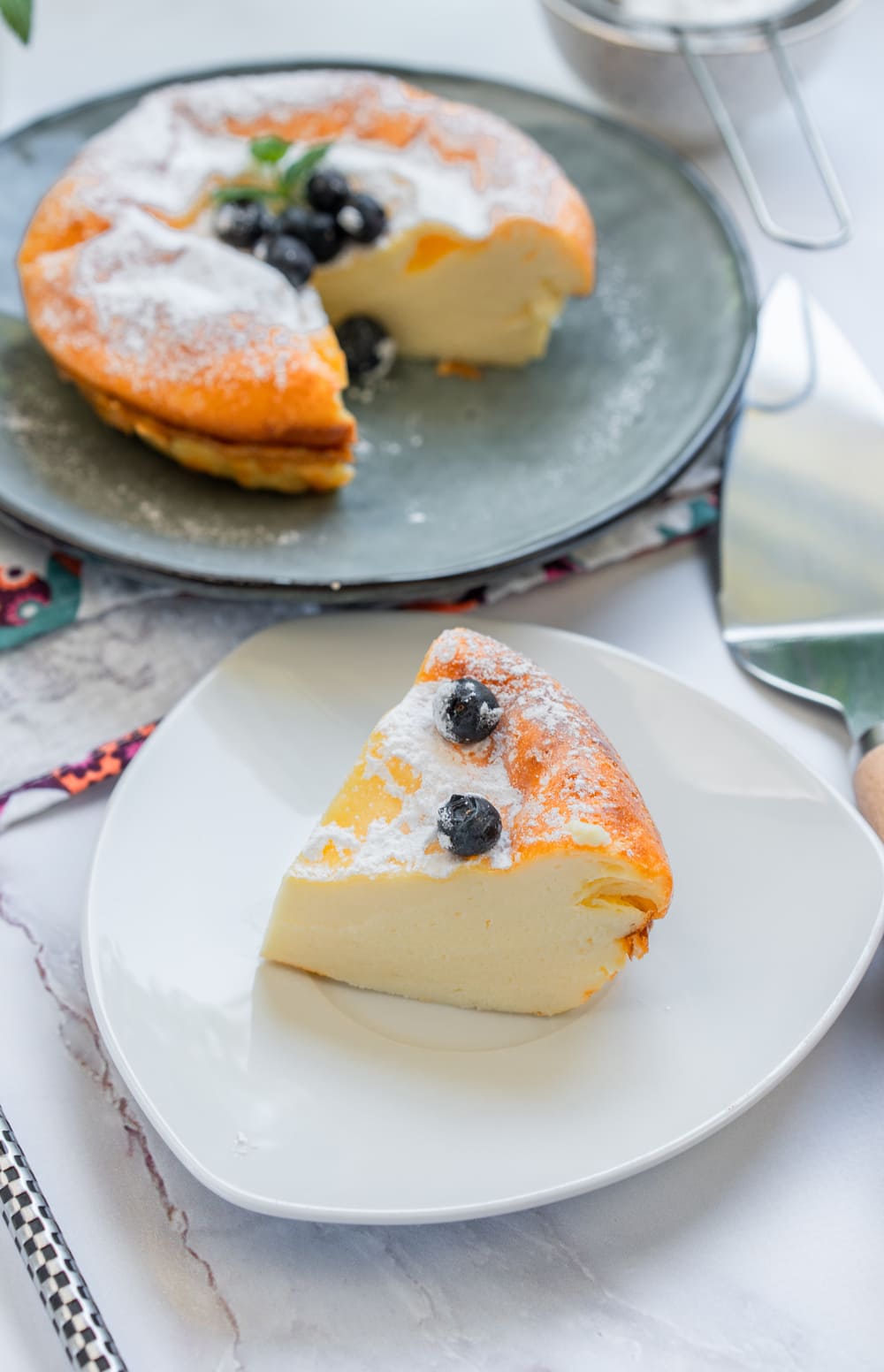
One more interesting thing about this cake is that the texture changes even more once it cools. Warm, it feels softer and almost custardy in the center. Cold, it becomes slightly denser and creamier, somewhere closer to cheesecake territory.
Both versions are very good for completely different reasons.
The Small Things That Matter Here
This cake is simple, but a few small things make a noticeable difference.
- Sift the flour before adding it so the batter stays smooth.
- Don’t overmix once the flour goes in or the texture gets heavier.
- If you want the cake lighter and airier, whip the egg whites separately before folding them in.
- And let the cake cool before judging the texture properly. It changes a lot once it settles.
How I Like Serving It
Most of the time, just slightly cold from the fridge with coffee the next morning, which honestly feels like information worth having before you accidentally eat half the cake the night before.
But it also works surprisingly well with things that feel a little extra without actually requiring any effort:
- Honey drizzled over the top while the cake is still slightly warm.
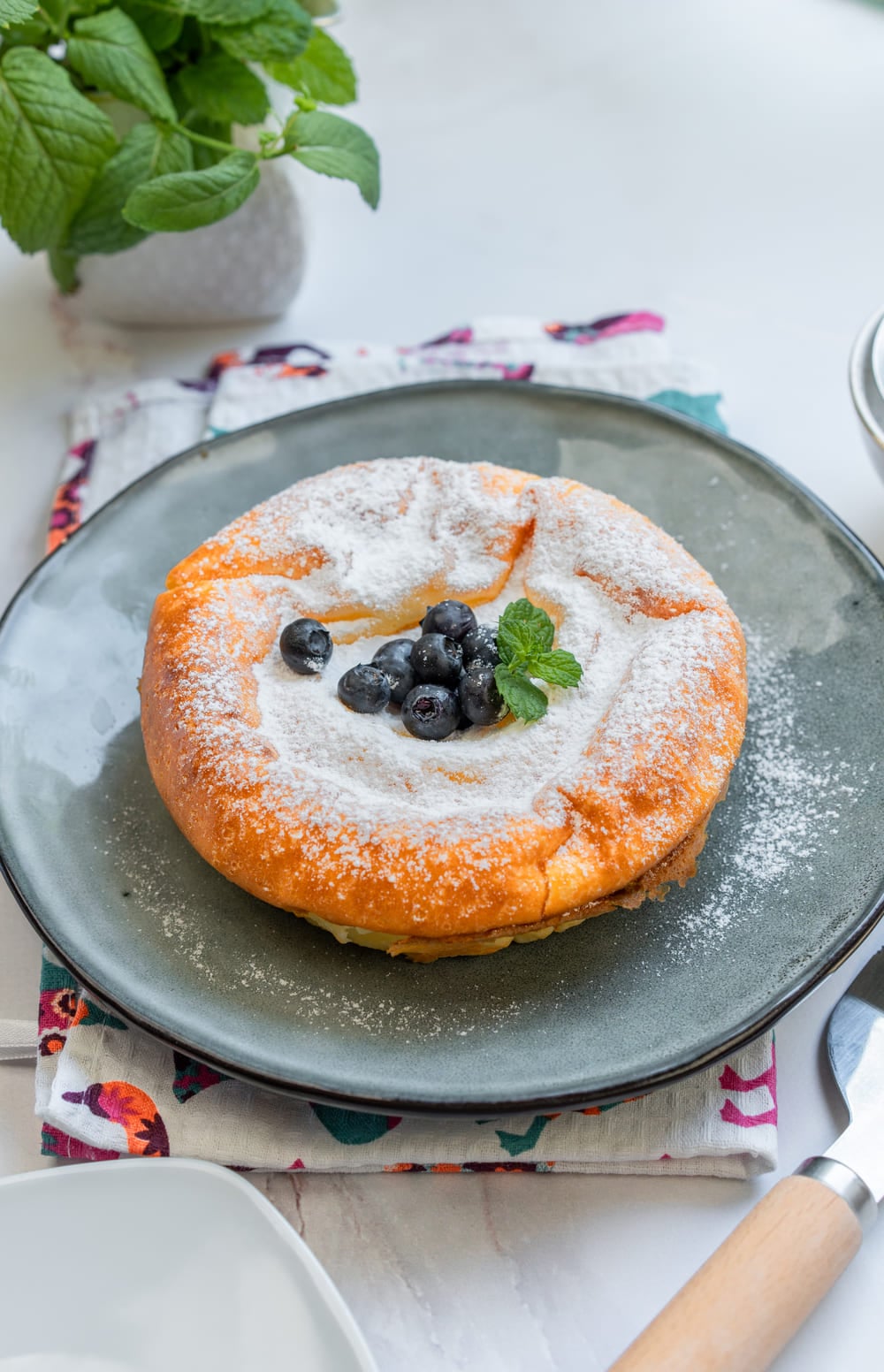
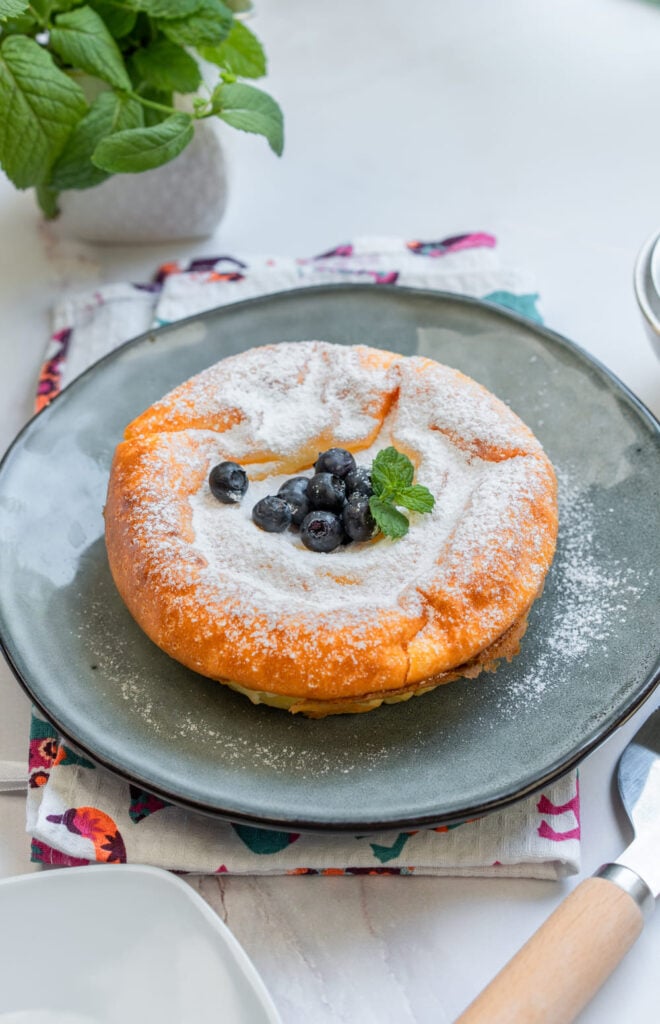
- Fresh berries and powdered sugar when I want it to feel more dessert-like.
- Greek yogurt on the side somehow makes the whole thing feel like breakfast again.
- A spoonful of berry jam works especially well with the colder version straight from the fridge.
- Citrus zest on top right before serving wakes the whole cake up again.
And if simple homemade cakes are your thing in general, my 3-Ingredient Ice Cream Bread belongs somewhere in the same dangerously easy baking category too.
Ways To Change It
This is one of those cakes that quietly changes personality depending on what you add to it.
The base stays the same, but a small change here or there suddenly makes it feel like a completely different cake the next time you bake it.
Some of the versions I keep coming back to:
- Lemon zest makes it fresher and lighter, especially in summer.
- Orange zest somehow makes it feel more like something you’d eat slowly with coffee in a café.
- Fresh berries folded into the batter make the middle even softer and slightly jammy once baked.
- A little cocoa powder turns it into something much closer to a very light chocolate cheesecake situation.
- Honey, instead of sugar, gives it a softer sweetness that works really well with the yogurt.
- Almond extract completely changes the personality of the cake in the best possible way.
I love all these ideas but sometimes I just like leaving it completely plain on purpose because the simplicity is part of the whole point.

3-Ingredient Greek Yogurt Cake
Description
Easy 3-ingredient Greek yogurt cake made with eggs, flour, and yogurt. Light, creamy, and perfect for breakfast, dessert, or coffee breaks.
Ingredients
Basic
Optional
Instructions
-
Preheat the oven
Preheat the oven to 350°F (180°C).
-
Mix the wet ingredients
Whisk the eggs and sugar until lightly foamy, then mix in the yogurt.
-
Add the flour
Sift in the flour gradually and mix until smooth.
-
Add vanilla
Mix in the vanilla if using.
-
Bake
Pour into a greased or lined pan and bake for 30–35 minutes until golden and springy in the center.
-
Cool & serve
Let cool slightly before slicing.
Nutrition Facts
Servings 6
- Amount Per Serving
- Calories 120kcal
- % Daily Value *
- Total Fat 5g8%
- Saturated Fat 2g10%
- Sodium 55mg3%
- Potassium 90mg3%
- Total Carbohydrate 9g3%
- Sugars 3g
- Protein 7g15%
- Calcium 60 mg
* Percent Daily Values are based on a 2,000 calorie diet. Your daily value may be higher or lower depending on your calorie needs.
User Reviews
My cake was about 1/2 inch thick and very sour. Was I supposed to use plain or sweetened Greek yogurt? What size pan should I have cooked it in? Please update this info in your recipe and instructions.
Hi Shawna, thanks for pointing that out! I use thick plain Greek yogurt and a small 6-inch round pan for this one. If your yogurt is quite tangy, I’d add the optional sugar to taste. A larger pan will definitely make the cake much thinner. I’ll make that clearer in the recipe 🙂